

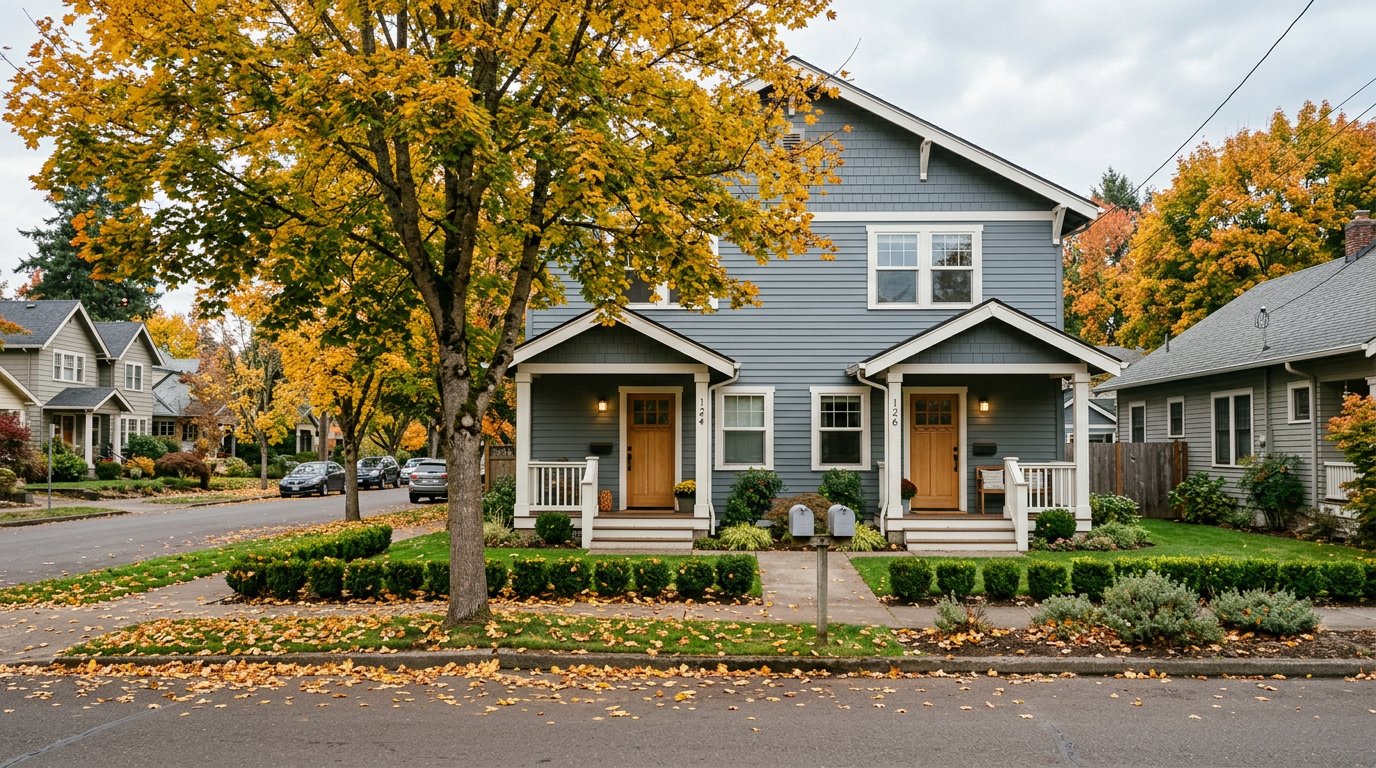
Buying Investment Property in Portland Metro: The Honest 2026 Guide
Portland Metro rental property in 2026 is not a get-rich-quick market. Rents are flat, mortgage rates are near 7 percent, and Oregon has a statewide rent cap. But for investors who buy on real numbers, not appreciation hopes, the west side still offers stable tenant demand and long-term upside. Here is the honest read.
Portland Metro rental property in 2026 is not a get-rich-quick market. Rents are flat, mortgage rates are near 7 percent, and Oregon has a statewide rent cap. But for investors who buy on real numbers, not appreciation hopes, the west side still offers stable tenant demand and long-term upside. Here is the honest read.
The short answer
Rental property in Portland Metro can work in 2026, but the math is tighter than it has been in years. The 30-year fixed averaged 6.95 percent as of September 17, and investor loans price higher. Rents are flat: Kidder Mathews reports Q2 2026 average asking rent of $1,656, down 0.24 percent year over year. Buy on current rents, plan for a larger down payment, and treat appreciation as a bonus rather than the plan.
What rents actually look like
Rent data varies by source, so it is worth looking at several:
- Portland average rent (all types): $1,775, Zillow Rental Manager
- Portland city median: $1,561, down 1.2% YoY, Apartment List
- Hillsboro median: $1,690; Portland metro median $1,657, Apartment List
- Metro median (July 2026): $1,606, down 1.60% YoY, Realtor.com
- Apartment vacancy: 6.25%, up from 5.85%, Multifamily NW Spring 2026
The pattern is consistent: rents are flat to slightly down, and vacancy is moderate. Tenants have options. Your property needs to be priced right and kept in good shape.
The financing reality
This is where most 2026 deals fall apart. Apartment Loan Store reports Portland multifamily cap rates averaging about 5.2 percent in Q2 2026. With owner-occupied rates near 7 percent, and investor loans higher, many deals have negative leverage: the property earns less than the debt costs.
Three ways investors are making it work:
- Larger down payments. Putting 30 to 40 percent down instead of 20 reduces the mortgage payment enough for many properties to break even or cash flow.
- House hacking. Buying a duplex or a home with an ADU, living in one unit, and renting the other qualifies for owner-occupied financing and lower down payments.
- Value-add. Buying a dated property below market, improving it, and renting at the top of the range.
Oregon's rent cap: know the rules first
Oregon is one of the few states with statewide rent stabilization. Under SB 608, annual rent increases are capped at 7 percent plus CPI, with a hard ceiling of 10 percent. For 2026, the cap is 9.5 percent for most covered rentals.
Key points for investors:
- The cap applies to properties 15 years or older. Newer construction is exempt.
- Oregon limits no-cause terminations after the first year of tenancy.
- The cap is well above current rent growth, so in practice it rarely binds today, but it limits upside if rents spike.
Screening tenants carefully up front matters more in Oregon than in many states. Talk to a local property manager or attorney before your first lease.
Where the numbers pencil on the west side
Hillsboro. Steady demand from the tech corridor keeps Hillsboro rents among the stronger in the metro, with a $1,690 median. Purchase prices are higher, so focus on townhomes, condos, and properties with ADU potential.
Forest Grove and Cornelius. Lower purchase prices improve the rent-to-price ratio. We covered the numbers in our Forest Grove & Cornelius guide. Pacific University also creates steady rental demand in Forest Grove.
Duplexes and ADUs anywhere. Oregon allows middle housing in many residential zones, and two income streams on one lot often make the difference between a deal that works and one that does not.
Mistakes to avoid in 2026
- Buying on appreciation. Values are flat across most of the metro, see our September market report. Buy on today's rents.
- Underestimating expenses. Budget for vacancy, maintenance, capital repairs, insurance, property taxes, and management, not just the mortgage.
- Skipping the inspection. Older rental properties hide deferred maintenance. Inspection contingency is not optional.
- Ignoring the lease rules. Oregon landlord-tenant law is detailed. Learn it before you buy.
A simple underwriting checklist
Before you write an offer on a Portland Metro rental, walk through these questions. If you cannot answer one with a real number, you are not ready to decide.
- What does this exact unit rent for today? Pull active and recently leased comparables within a half mile, with the same bedroom count and similar condition. Do not use the highest listing you can find.
- What is the full monthly cost? Principal and interest on a real investor loan quote, property taxes from the county assessor, insurance, HOA dues if any, utilities you will cover, and a property management fee even if you plan to self-manage.
- What reserves are you setting aside? Plan for vacancy between tenants, routine maintenance, and big-ticket items like the roof, furnace, water heater, and exterior paint. Older homes need more.
- Is the property covered by the rent cap? Check the build year. A home 15 years or older falls under SB 608, which shapes how quickly rent can move with the market.
- What is your exit? Know whether you plan to hold for ten years, refinance if rates fall, or sell. Each path changes how much cash flow you need on day one.
- Could a second unit fit? Ask about lot size, zoning, and utility access. An ADU or conversion can change the whole picture.
If the property only works with rent growth, a lower rate, or perfect tenants, it does not work yet. Keep looking, negotiate harder, or adjust your down payment.
The best investment property decisions come from property-specific numbers: comparable rents on the same street, recent solds, realistic expenses, and a real financing quote. That is the analysis we prepare for investor clients, no pressure and no obligation.
Kent Bounds (Principal Broker, RE/MAX Equity Group) and Kionna Sakhoeun (Broker) work the Portland Metro west side and Washington County daily. Call (503) 784-1065 or reach out through the contact page to run the numbers on a specific property.
Frequently Asked Questions
Is Portland Metro a good place to buy rental property in 2026?
What are average rents in Portland Metro right now?
How much can I raise rent in Oregon in 2026?
What mortgage rate should I expect on an investment property?
What are cap rates in Portland?
Where in Portland Metro does rental property pencil best?
What is the vacancy rate in Portland Metro?
Sources & Notes
- Freddie Mac PMMS, 30-year fixed averaged 6.95% as of September 17, 2026
- Zillow Rental Manager, Portland OR average rent $1,775 (updated September 2026)
- Apartment List, Portland OR September 2026 Rent Report (median $1,561, down 1.2% YoY)
- Apartment List, Hillsboro OR Rent Report (median $1,690; Portland metro median $1,657)
- Realtor.com, Portland Rents Are Going Down (metro median $1,606 as of July 2026, down 1.60% YoY)
- Kidder Mathews, Portland Multifamily Market Report (Q2 2026 avg asking rent $1,656, down 0.24% YoY, CoStar data)
- Multifamily NW Spring 2026 Apartment Report (Portland Metro vacancy 6.25%)
- Apartment Loan Store, Portland cap rates (Q2 2026 multifamily average 5.2%)
- Portland Homes LLC, Oregon SB 608 (2026 rent increase cap 9.5%, applies to properties 15+ years old)


More from the blog
Forest Grove & Cornelius: The West Washington County Value Play (2026)
Forest Grove and Cornelius offer Washington County living for around $475K to $525K — meaningfully less than Hillsboro or Beaverton — with an honest 25-to-40-minute Hillsboro commute. Here's what your money actually buys and who these towns fit best.
Portland Metro Housing Market Report — September 2026
September 2026 Portland Metro update — Portland medians around $535K, Beaverton around $581K, Hillsboro in the low-to-mid $600Ks, and 30-year fixed rates in the mid-6s. Here's what the numbers mean if you're buying or selling.

Mortgage Rates Are Easing — Here's What It Actually Saves You on a Washington County Home
A plain-English look at what today's mortgage rates actually mean for your monthly payment and buying power on a Washington County home.