


Portland Metro Housing Market Update: What Buyers and Sellers Need to Know This Month
If you've been reading national headlines and feeling whiplash, take a breath. The Portland Metro market in mid-2026 is far calmer and more navigable than the doom-and-boom cycle you see online — and here on the ground in Washington County, the story is one of steadiness, not drama.
There's a real gap right now between what the housing headlines say and what's actually happening on the ground in Washington County. National coverage swings between "market crash" and "prices at all-time highs" — sometimes in the same week. When you're the one trying to decide whether to list your Hillsboro home or make an offer in Beaverton, that noise isn't just unhelpful; it's stressful.
So let's set the headlines aside and talk about what we're genuinely seeing this month across the Portland Metro area — the prices, the pace, the rates, and what all of it means for a real decision.
Where prices actually stand
The short version: prices are holding steady, with meaningful variation from city to city.
Across the broader Portland Metro area, the average sale price came in around $656,730 in the most recent monthly report, up about 2% year over year (local RMLS-sourced market update, July 2026). That's the kind of modest, single-digit movement that defines a normal market — a world away from the double-digit jumps of 2021 and 2022.
Zoom in and the picture gets more nuanced. Beaverton, for example, saw its average sale price come in around $554,059 recently, down roughly 7% from a year earlier in that same report — even as the number of homes actually selling there climbed. That combination tells you something important: buyers are active, but they're disciplined about price.
The takeaway for homeowners: "flat" is not the same as "falling." For most Washington County owners, values have held up remarkably well given where interest rates are. And for buyers, prices that aren't racing upward mean you finally have time to make a good decision instead of a rushed one.
If you take one thing from this section, let it be this — a metro average is a starting point, not an answer. What your specific home is worth depends on your street, your school zone, your lot, and your home's condition far more than any countywide figure.
The pace has normalized
The single biggest change from the frenzy years is time. Homes are taking longer to sell — and that's healthy, not alarming.
In the latest reading, homes across the Portland Metro area were selling in roughly 46 days on average, with Beaverton closer to 44 days (July 2026 local update). Compare that to the spring of 2021, when a well-priced home might get multiple offers before the weekend was over.
A few weeks on market is exactly what a balanced market looks like. It means:
- Buyers have time to see a home twice, sleep on it, and get an inspection without losing the house.
- Sellers still sell — the homes that are priced right and show well are moving at a steady, reliable clip.
- Negotiation is back. With homes sitting for a few weeks instead of a few hours, there's genuine room to talk about price, repairs, and terms.
We're also seeing sale prices land close to asking — recent Beaverton sales closed around 98% of list price in that report — which tells you sellers who price realistically are getting rewarded, and buyers aren't wildly lowballing. It's a market where both sides can actually make a deal.
Mortgage rates: the honest picture
No market conversation is complete without rates, because they shape affordability more than list prices do.
As of the July 16, 2026 Freddie Mac survey, the 30-year fixed-rate mortgage averaged 6.55% — up six basis points from the prior week, but still below the 6.75% it sat at a year ago (Freddie Mac PMMS, FRED). The 15-year fixed has been hovering in the high-5% range.
Here's the practical reality: rates have been drifting in the mid-6% band for months now. They tick up a little, they tick down a little, but there's been no dramatic move in either direction. That stability is actually useful — it means you can plan around a real number instead of holding your breath for a rate that may or may not arrive.
A note we share with almost every buyer: don't try to time the rate market perfectly. If you find the right home and the payment works for your budget today, you can always refinance if rates fall later. You marry the house and date the rate — but you can't refinance a house you didn't buy.
How the numbers vary across Washington County
One of the most common mistakes we see is treating "the Portland Metro market" as a single thing. It isn't. Even within Washington County, conditions shift meaningfully from one community to the next, and understanding that is the difference between a smart move and a frustrating one.
- Hillsboro continues to be anchored by steady employment and a strong mix of established and newer neighborhoods. Demand here tends to hold up even when the broader market cools, particularly in sought-after school zones.
- Beaverton has shown more price give-back recently — that roughly 7% year-over-year softening in average sale price — even as more homes actually changed hands (July 2026 local update). More activity at slightly gentler prices is a genuine opening for buyers.
- Forest Grove, Cornelius, and North Plains offer relative value for buyers willing to trade a slightly longer commute for more home and a small-town feel — an increasingly attractive trade in a mid-6% rate environment.
- Tigard, Sherwood, and Tualatin remain popular move-up markets, where well-presented homes in the right price band still see healthy interest.
The lesson isn't that any one city is "better" — it's that the right strategy depends entirely on where you're buying or selling. A pricing approach that works in Beaverton may be wrong for Hillsboro, and vice versa.
What this means if you're buying
This is one of the most workable buyer's environments we've seen since the pandemic-era chaos ended. Use it:
- You have leverage you didn't have before. With more homes on the market and longer days on market, sellers are far more open to price adjustments, repairs, closing-cost help, and even rate buydowns.
- You can be thorough. Get the inspection. Ask the questions. Walk the neighborhood at different times of day. The market is giving you room to do this right.
- Still move decisively on the best homes. Balanced overall doesn't mean slow everywhere — genuinely turnkey, well-priced listings in strong locations still attract competition. When you find the one, be ready.
What this means if you're selling
The frenzy-era approach — "list high, buyers will fight over it" — doesn't work in this market. What does:
- Price it right from day one. With buyers having options and time, an aspirational price sits while a realistic one sells. The first two weeks on market are your most valuable; don't waste them testing a number that's too high.
- Presentation wins the offer. In a balanced market, the homes that photograph well, show clean, and feel move-in ready command the strongest offers. Small prep investments pay for themselves.
- Trust local data over national headlines. Your neighborhood, your school zone, and your specific home can move your value more than any statewide average — in either direction. That's exactly the analysis we do before we ever recommend a list price.
What we're advising clients this month
Every market rewards a slightly different playbook. Here's the honest, boots-on-the-ground advice we're giving Washington County clients right now.
For buyers: Get fully pre-approved before you shop, not after you fall in love with a home. Knowing your real buying power at today's 6.55% lets you search with precision and act fast on the right listing. And don't be shy about asking for concessions — in this market, seller-paid closing costs and rate buydowns are genuinely on the table.
For sellers: The prep work matters more than it did three years ago. A weekend of decluttering, a fresh coat of paint, and professional photos routinely return several times their cost in a balanced market. Price honestly from day one — the data is clear that realistically priced homes are the ones hitting that ~98% sale-to-list mark, while overpriced homes sit and eventually sell for less after a price cut.
For everyone: Ignore the national headlines and anchor to local, current data. The Portland Metro market is its own animal, and Washington County is its own corner of that. What's true for Austin or Phoenix has almost nothing to do with what your Hillsboro home is worth this month.
The bottom line
The mid-2026 Washington County market rewards preparation over panic. Prices are steady, the pace is healthy, rates are predictable, and both buyers and sellers have a genuine path to a good outcome — if they start with current, hyper-local data instead of last week's headline.
That's the honest read from where we sit, and it's exactly the conversation we love to have. Whether you're six months or six weeks from a move, getting the real numbers for your home and your neighborhood is always the right first step.
Frequently Asked Questions
Is now a good time to buy a home in Washington County?
Are home prices in Portland going up or down in 2026?
How long are homes taking to sell right now?
What are mortgage rates doing this month?
Sources & Notes


More from the blog
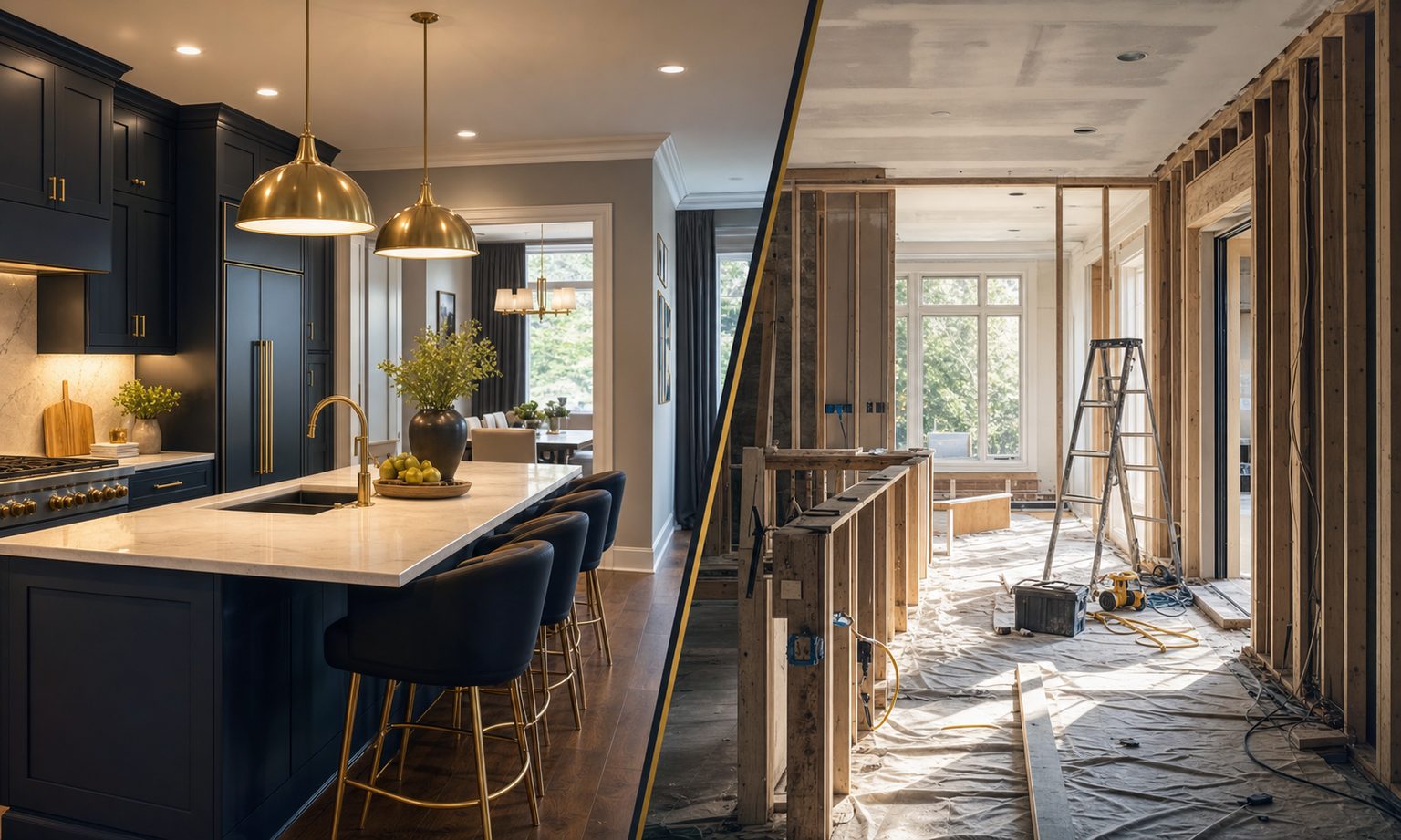
Move-In Ready vs. Fixer-Upper: What's Actually Selling Faster Right Now
Turnkey or a project? An honest local breakdown of which is selling faster in Washington County right now — and how to decide what's right for you.

Mortgage Rates Are Easing — Here's What It Actually Saves You on a Washington County Home
A plain-English look at what today's mortgage rates actually mean for your monthly payment and buying power on a Washington County home.
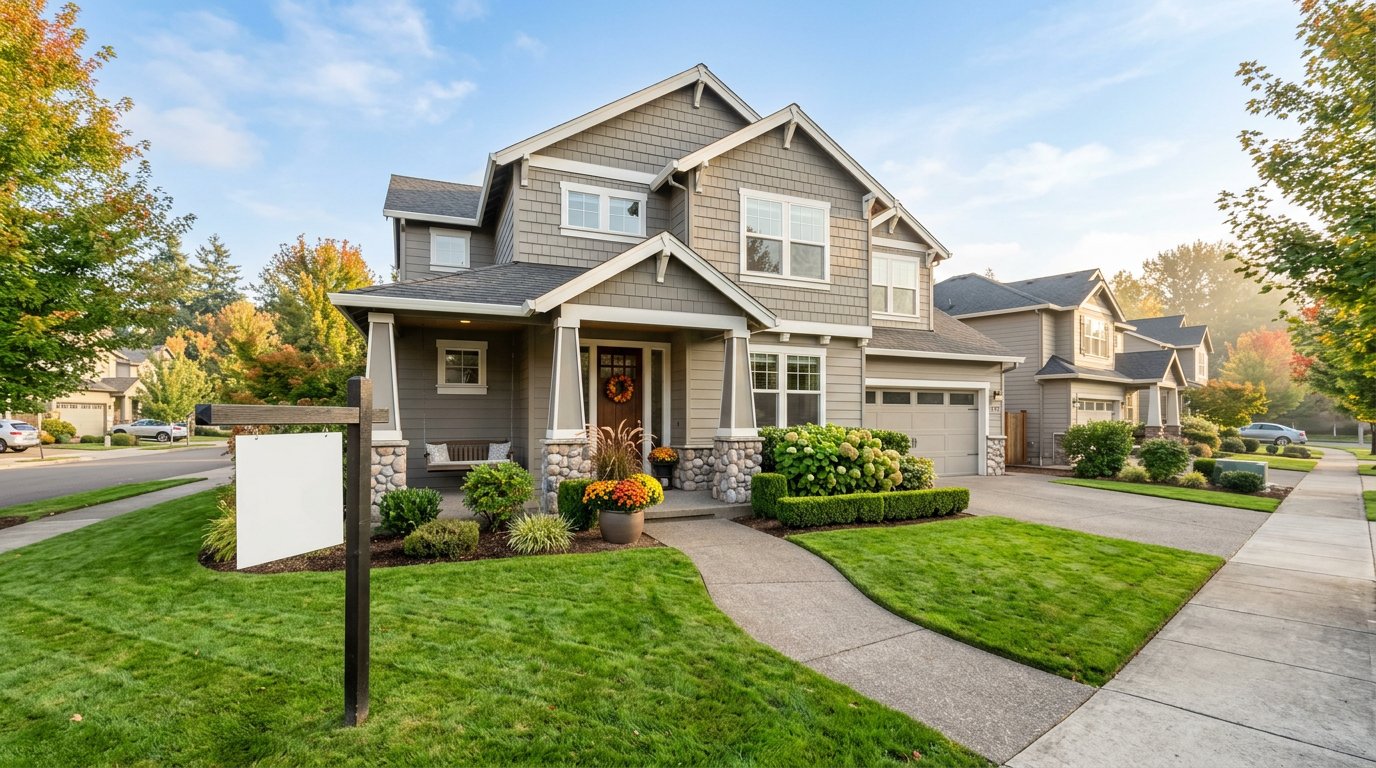
Selling Your Hillsboro Home in a Balanced Market: The 2026 Pricing Strategy
In a 2026 Hillsboro market where correctly priced homes sell in 22 days and overpriced homes sit for 70+ days with two reductions, pricing accuracy is everything. Here is the strategy that works.