


Land & Acreage in Washington County, Oregon
Large land and buildable parcels require more than a standard listing approach. Kent helps clients think through feasibility, zoning, utilities, access, buyer pools, and development potential.
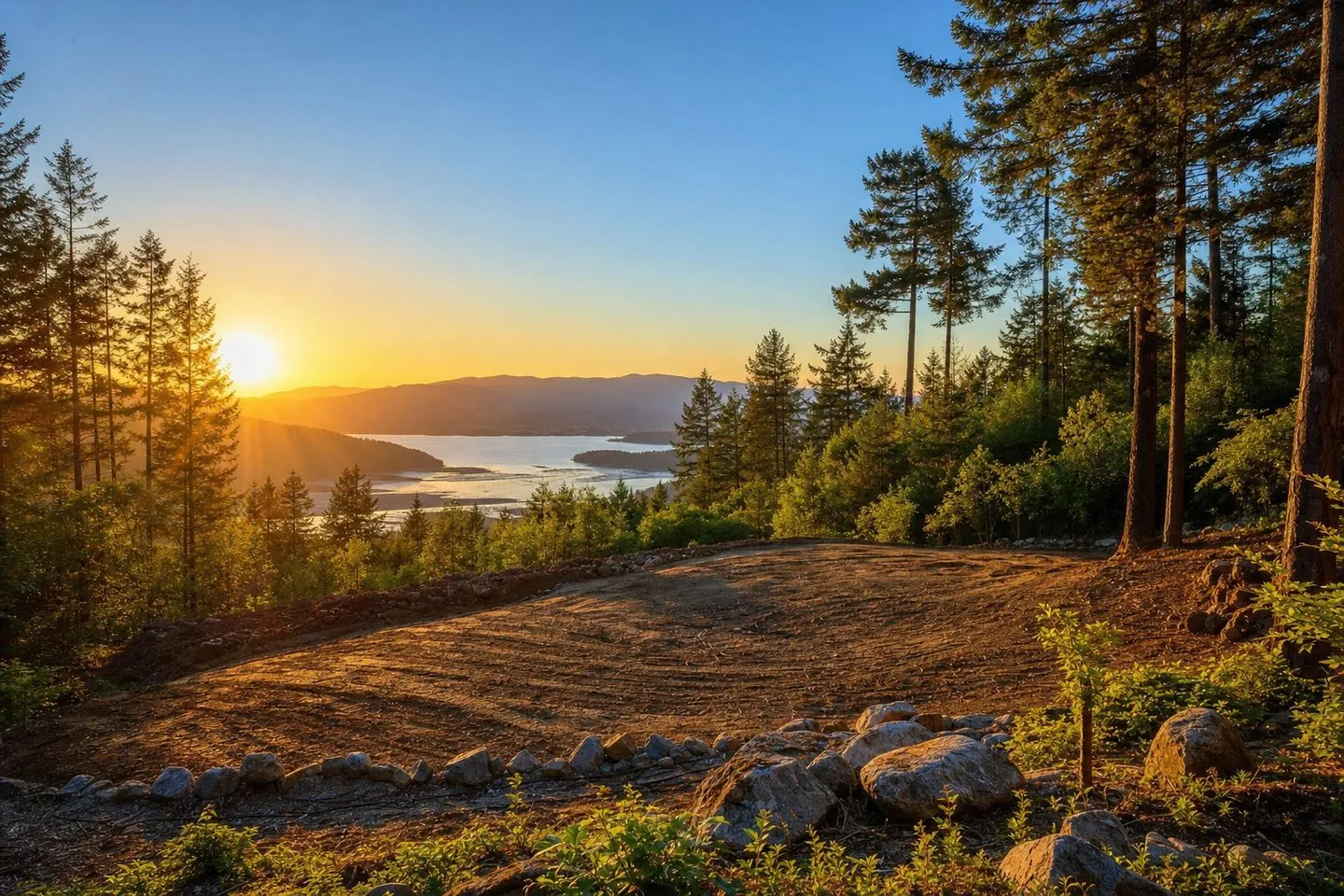
Positioned for the right buyer
Acreage doesn't sell like a standard home. We identify the right buyer types and present the parcel's full potential.
- ✓ Positioning the parcel
- ✓ Identifying buyer types
- ✓ Builder & developer outreach
- ✓ Acreage presentation & land photography
- ✓ Feasibility, zoning & utility information
- ✓ Pricing strategy
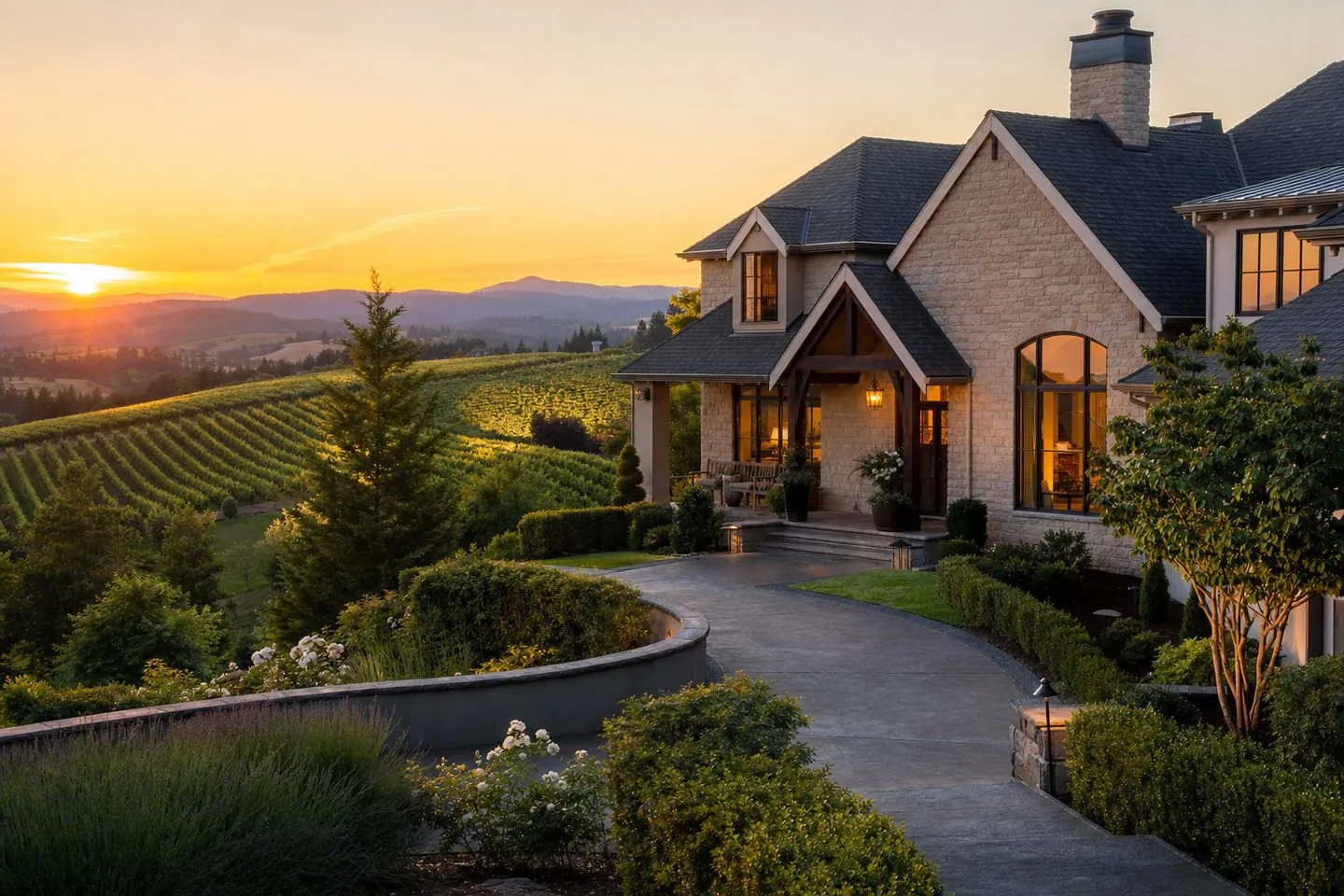
Know before you commit
A parcel's price means little without understanding what you can actually build. We help you do the homework first.
- ✓ Access & utilities
- ✓ Zoning & land use
- ✓ Soils & drainage
- ✓ Build feasibility & limitations
- ✓ Lot usability
- ✓ Future resale outlook

From raw parcel to real possibility
Residential Acreage
Evaluating rural homesites and buildable acreage with a builder's eye.
Buildable Parcels
Understanding what a lot can support before you invest.
Zoning Questions
Working through city and county land-use requirements.
City / County Review
Navigating the review process and what it means for timelines.
Builder / Developer Conversations
Connecting parcels with the right building partners.
Feasibility & Due Diligence
Making the most of the feasibility period before you're committed.
Land and acreage: quick answers
Selling or buying land in Washington County starts with the basics that set value: zoning, whether the parcel is inside the urban growth boundary, legal access, water, septic, and utilities. Kent uses his construction background to help land owners and buyers check these before pricing or writing an offer.
Frequently asked questions
How do I find a property's zoning?
Look up the parcel in Washington County Land Use and Transportation or the city planning department if it is inside city limits. Rural zones in Washington County include Exclusive Farm Use (EFU), Agriculture and Forest (AF-5, AF-10, AF-20), and Rural Residential (RR-5).
What is the urban growth boundary?
It is the line around the Portland region that separates land planned for urban development from farm and forest land. Metro manages it, and whether a parcel is inside it strongly affects what can be built.
How do I check a property's well?
Search the Oregon Water Resources Department well log database for the well report, then have the well tested for flow and water quality.
What about septic?
Undeveloped rural land usually needs a septic site evaluation to confirm a system can be approved. Existing systems should be inspected before closing.
Who buys land and acreage?
Buyers range from people building a home to hobby farmers and builders. The right marketing depends on zoning and development potential, which is why the team reviews those first.
Have land or looking for a parcel?
Talk to Kent about feasibility, zoning, and development potential — or about positioning your acreage for sale.